

The best lube for menopause is one that feels comfortable, suits how you want to use it and works with any toys or barriers involved. There is no formula that suits everyone. If dryness also bothers you during the day, a vaginal moisturiser or medical treatment may be more relevant than changing your lubricant.
Menopause can bring changes in vaginal tissue and lubrication. Some people notice dryness during sex; others notice soreness, irritation or discomfort at other times. These symptoms are worth discussing rather than repeatedly trying to make painful sex work.
Lube and vaginal moisturiser do different jobs
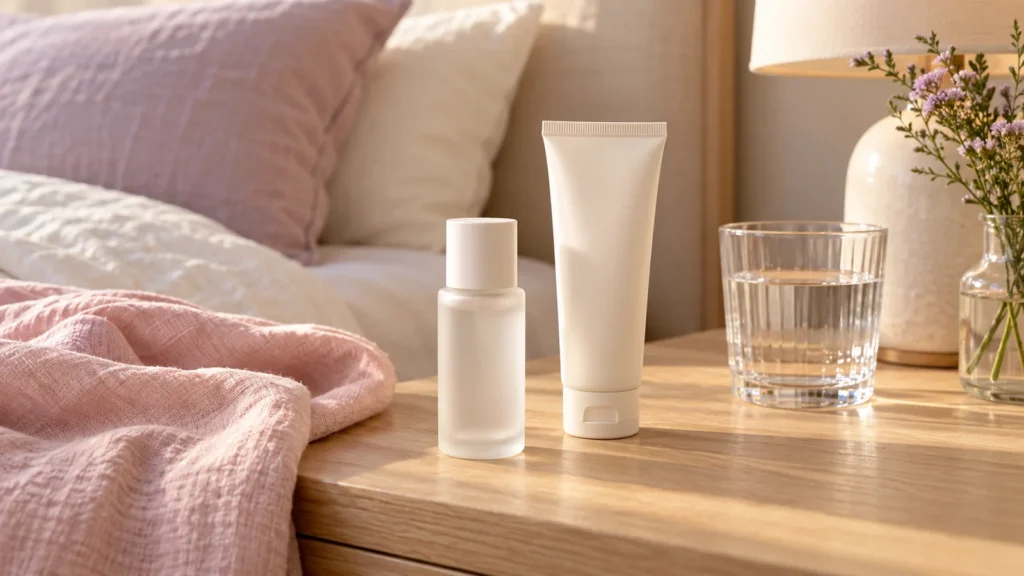
Lubricant reduces friction while you are using it. You might apply it before sexual touch and reapply as needed. A vaginal moisturiser is designed for ongoing dryness and is used according to its own directions, independently of sex.
The distinction matters when shopping. A product that helps a toy glide comfortably may not address dryness that returns the next morning. Equally, a moisturiser is not automatically the right lubricant for a particular toy or condom. Check the intended use on the label.
Choosing a lubricant
Water-based lube is often a straightforward place to start. Compare formulas intended for intimate use and check any known ingredient sensitivities. If it begins to feel sticky or drag, follow the directions about reapplying.
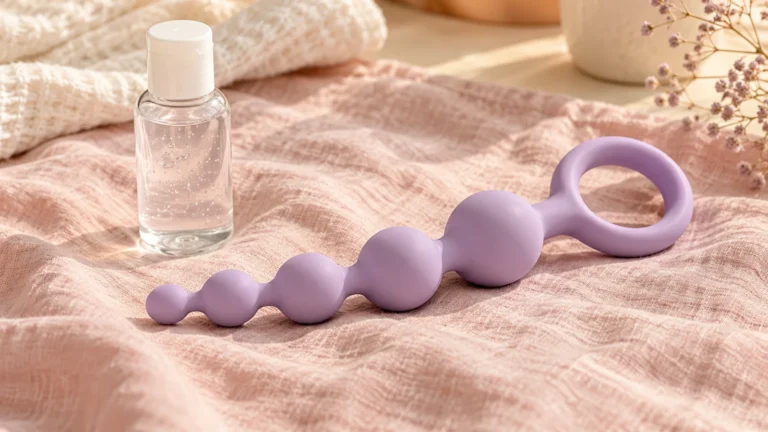
Silicone-based lube generally stays slippery longer. Check your toy manufacturer's advice before pairing the two, and check barrier compatibility separately. Oil-based products have further compatibility limits, particularly with latex condoms.
Our lube comparison covers these differences. If your skin is easily irritated, the formula matters as much as the base: fragrance, warming effects and known allergens are worth checking.
Make comfort the starting point
If you want sexual touch, give yourself time and choose the kind that feels welcome. External touch, a hand or a toy can be part of sex without penetration. You can also stop or choose another activity if your plans change.
Use lube before friction becomes uncomfortable. Tell a partner where touch feels good and where it does not. A simple 'lighter pressure, please' or 'let's stop penetration' is more useful than trying to tolerate soreness.
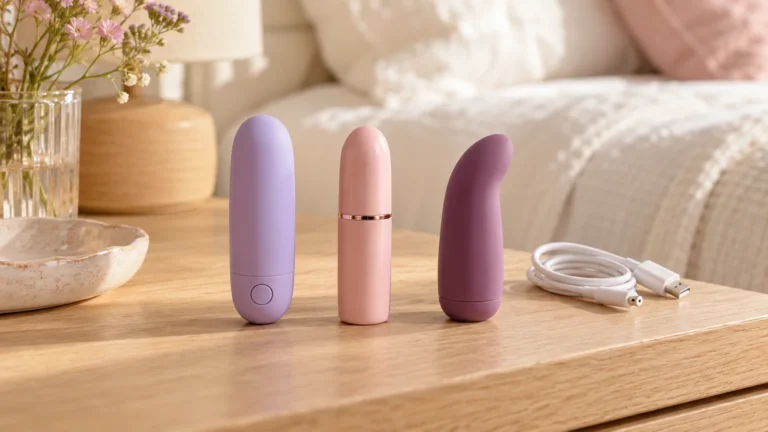
A stronger vibrator or a larger dildo cannot treat menopausal dryness. If you want a toy, choose its shape and controls around your preferences and comfort. Our first vibrator guide explains what to compare.
When lube is not enough
If dryness lasts for weeks, affects daily life or does not improve with products you have tried, speak to a GP. Mention pain, unusual discharge or bleeding, including bleeding after sex or after menopause. A clinician can assess the cause and discuss options, which may include treatment for menopausal symptoms.
You could say: 'I've had dryness for three months. It happens during the day as well as during sex, and lube only helps briefly.' That gives the appointment a clear starting point. Take the names of any products and medicines you use.
Common questions
Do I need a product labelled specifically for menopause?
The label is less useful than the formula, intended use and compatibility information. Compare those details rather than assuming a menopause label means a better fit.
Can I use ordinary body moisturiser internally?
Use a product intended for vaginal use and follow its directions. Ordinary body lotions are not substitutes for vaginal moisturisers.
Does needing lube mean I am not aroused?
Lubrication and desire do not always match. You can want sexual touch and still benefit from a lubricant. If dryness or pain is new or persistent, seek advice about the symptoms.
Should I keep trying penetration until it feels easier?
Stop when it hurts. Discuss recurring pain with a clinician before trying to work around it with more lube.