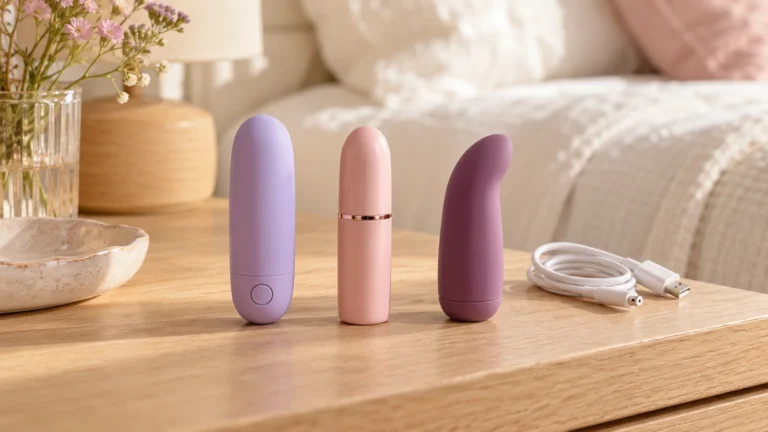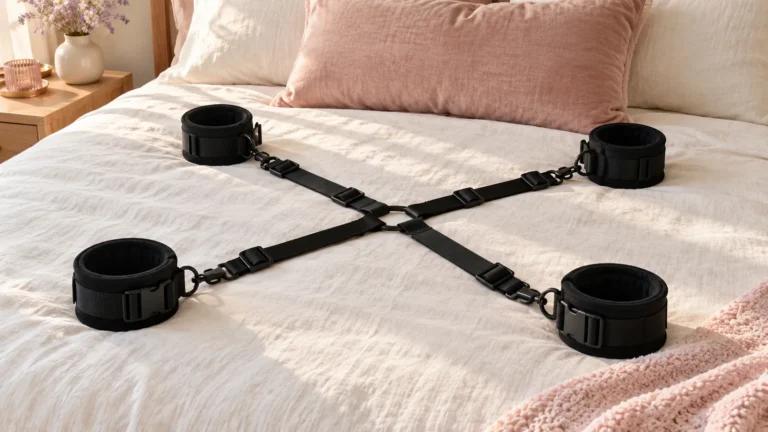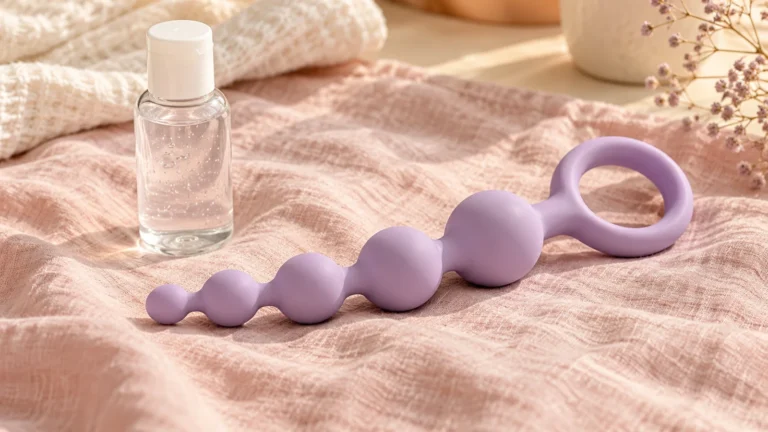



Choose a toy around the contact you enjoy, the anatomy you want it to touch and how it is intended to be used. A gender label on a box tells you less than its shape, controls, material and instructions.
Start with preferred contact
You may enjoy broad external vibration, lighter touch, penetration or a combination. Those preferences are individual. A toy described for women, men or couples may or may not suit the sensation and placement you want.
Check the intended body area. An air-pulse toy designed for the clitoral glans should not automatically be recommended for other anatomy. A vaginal vibrator is not automatically suitable for anal use. Follow the model's actual instructions.
When sensation changes
Hormone treatment can change how sexual touch feels, but not everyone has the same experience. If an old technique feels uncomfortable, reduce pressure, change the contact or stop. Ask your clinician about a troubling change rather than assuming it is something you must work around.
After genital surgery, follow your surgical team's advice about healing, dilation and sexual activity. General toy advice cannot set a safe timeline or replace individual instructions. A dildo is not a substitute for a prescribed dilator.
Practical checks
Look for controls you can reach, dimensions you understand and clear care instructions. Check lubricant compatibility, and use an appropriate external base for any anal toy. Clean as directed and change compatible barriers between partners or body areas.
Read experiences as individual accounts
Our interview with Ana Valens describes her own experience of pleasure and hormone treatment. It is one person's account, rather than a prediction of how every trans woman's body or orgasms will change.