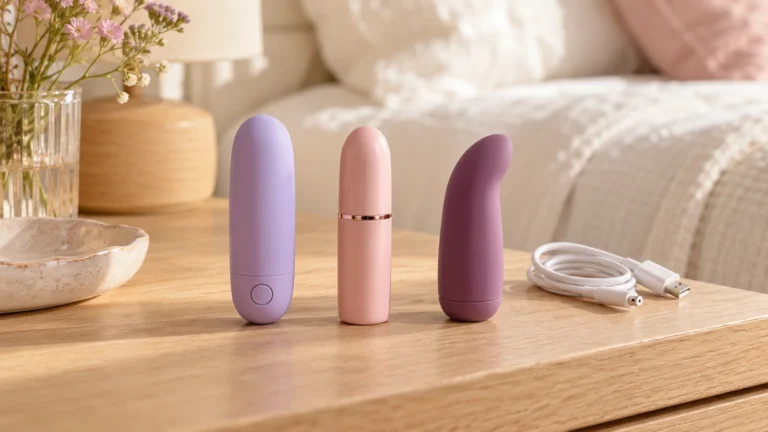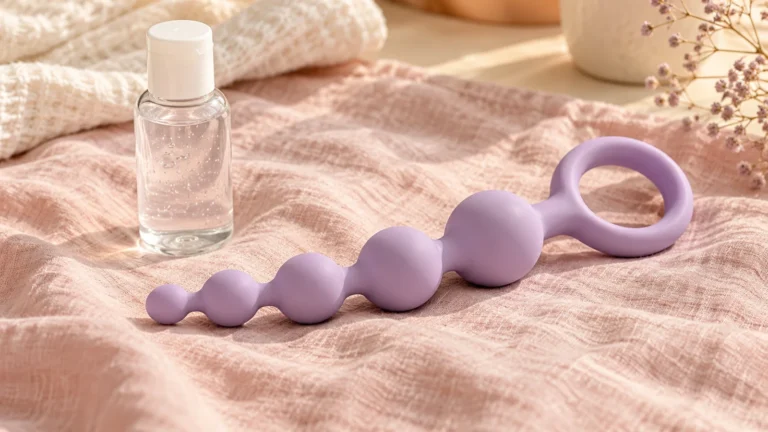


Before buying BDSM equipment, talk about what interests you. A conversation about what appeals, what is off limits and how either person can stop is the place to begin. You might start by discussing a blindfold or gentle sensory play. If you want restraints, learn how to use and release the specific design first.
BDSM covers many different interests. Some people enjoy restraint or sensation; others are drawn to role-play or power exchange. You can be interested in one aspect of BDSM without wanting to try everything.
Talk before you play
Ask what each person wants to try and what they would rather leave alone. Be specific. “I'm curious about a blindfold, but I don't want my hands restrained” is much easier to act on than a vague yes to “bondage”. Agree that either of you can change your mind during the experience.
If you are with a partner, choose a word that means stop immediately. “Red” is easy to remember; “amber” can mean pause and check in. Unless you have both explicitly agreed to a role-play convention where resistance is part of the scene, ordinary “no” and “stop” mean stop too. A safeword is an additional clear signal, never a reason to ignore someone.
Begin with one activity
Choose one activity you both welcome, such as wearing a blindfold or trying a gentle change in texture. Check in with your partner instead of trying to create a performance. Leave electroplay, gags, intense impact and complicated rope techniques out of a first session; each needs its own knowledge and precautions.
If you use restraints
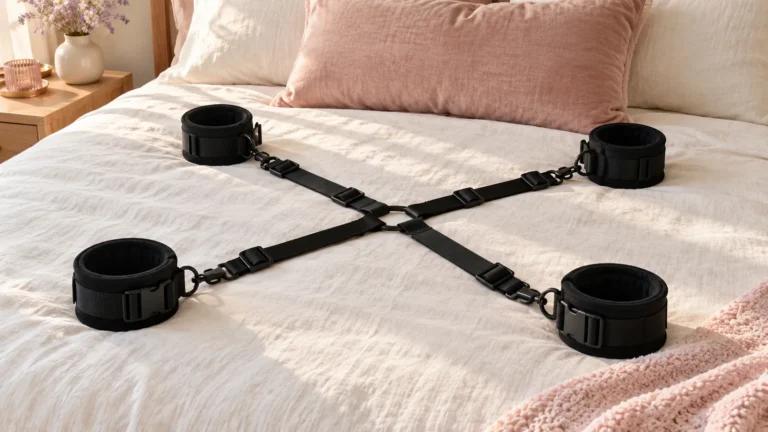
Choose purpose-made, quick-release cuffs to begin with. Never restrain someone's neck, never leave a restrained person alone, and keep a way to release them immediately. Check hands and feet for numbness, tingling, pain, coldness or colour change; release the restraint if any occurs. A “two fingers under the cuff” check is not a guarantee that nerves or circulation are fine.
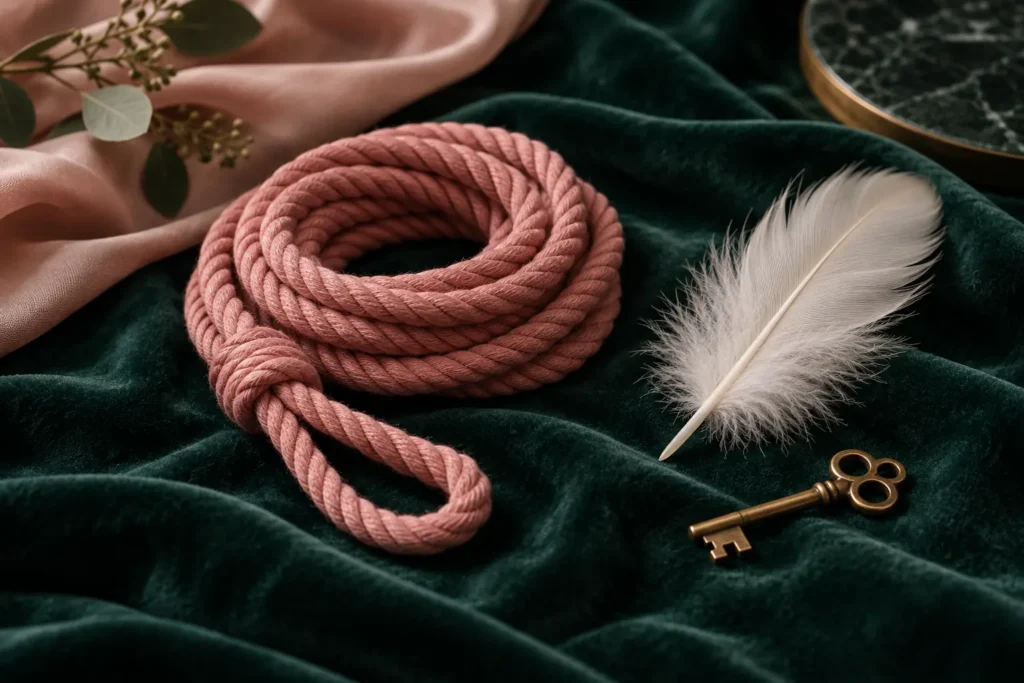
With rope or knots, learn from a reputable instructor and keep appropriate safety scissors close. A first try does not need rope at all.
Afterwards
Ask what felt good and what did not. Some people want a hug and a glass of water; others want space. Agreeing what support each person likes is as useful as agreeing what to try in the first place.
There is plenty of time to learn more. Afterwards, talk about what you would like to repeat and what you would change.